
Barcode Breakthroughs: Exciting Innovations on the Horizon
For decades, barcodes have been a pivotal component in retail and logistics, facilitating the seamless tracking, management, and sale of products on a global scale. With technological advancements, the potential of barcode systems continues to expand. Innovative developments are set to revolutionise business operations and consumer interactions. This article delves into the latest trends in barcode technology and their future impact.
The Emergence of 2D Barcodes
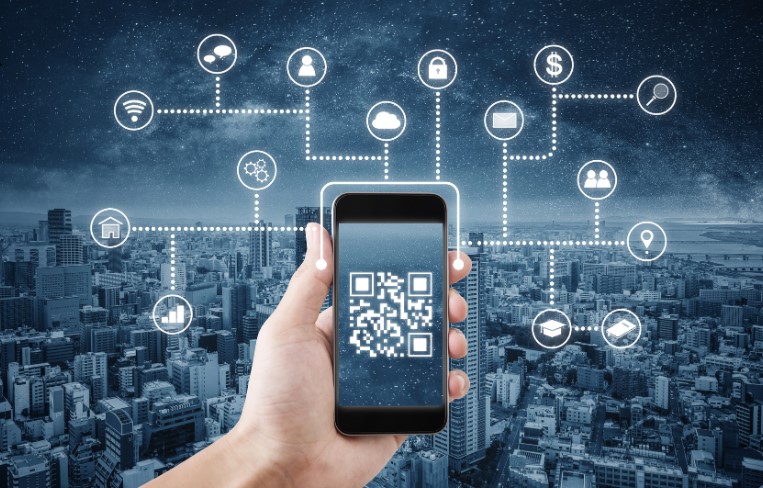
One of the most notable advances in barcode technology is the transition from conventional linear barcodes to 2D barcodes, including QR codes and Data Matrix codes. Unlike linear barcodes, 2D barcodes can contain a wealth of information in a small space, such as URLs, product specifications, and promotional deals. This enhanced data capacity allows businesses to provide detailed information to customers, optimise inventory management, and improve overall customer experiences. As the usage of 2D barcodes grows, their roles in marketing, product authentication, and supply chain transparency are expected to significantly expand.
Enhanced Barcode Scanning with AI and Machine Learning
Artificial intelligence (AI) and machine learning are transforming how barcodes are scanned and interpreted. AI-driven scanning systems now offer the capability to accurately read damaged or poorly printed barcodes, minimising errors during checkout or inventory audits. Furthermore, AI-enabled barcode systems can process large datasets in real-time, providing invaluable insights into customer behaviour, stock levels, and operational efficiency. These advancements are leading to more intelligent and adaptable barcode systems tailored to the needs of contemporary businesses.
Barcode and IoT Device Integration
The fusion of barcodes with Internet of Things (IoT) devices is another groundbreaking development set to transform industries. IoT-enabled barcode scanners can effortlessly link with other smart devices, enabling real-time data exchange across multiple platforms. This connectivity enhances supply chain management by delivering instant updates on product location, condition, and status. For retailers, IoT-integrated barcodes can streamline inventory control, cut down waste, and improve restocking processes. As IoT technology evolves, the synergy between barcodes and connected devices will bring new levels of efficiency and automation.
Eco-Friendly Barcode Solutions
With the increasing focus on sustainability from businesses and consumers, barcode technology innovations are also turning towards environmental considerations. Biodegradable and eco-friendly barcode labels are being created to lessen the environmental impact of packaging. Additionally, advancements in direct product marking, where barcodes are engraved directly onto products using laser or inkjet techniques, eliminate the need for traditional labels. These sustainable barcode solutions not only help in reducing waste but also support businesses in achieving their environmental objectives.
The Future of Barcode Technology
The horizon for barcode technology looks promising, with ongoing innovations fostering new applications and efficiencies across various sectors. As 2D barcodes, AI-enhanced scanning, IoT integration, and sustainable solutions become more common, businesses will be better prepared to address the demands of a rapidly changing market. These advancements in barcode technology will not only boost operational efficiency but also elevate the consumer experience, unlocking fresh growth and success opportunities. Looking ahead, it's evident that barcodes will remain an indispensable tool in the digital era, continually evolving to meet the requirements of businesses and consumers alike.
Discover how your business can adopt contemporary barcode solutions to enhance your systems and services by visiting Barcodes Australia at India Barcodes/.