
The Procedure for Allocating and Handling Product Barcodes
Product barcodes are integral to the retail sector, aiding in smooth inventory oversight, precise product tracking, and efficient checkout systems. Barcodes are distinct identification codes designated to each product, facilitating straightforward and precise data acquisition. They supply vital information to retailers, distributors, and manufacturers, helping to streamline operations and boost overall efficiency. Employing barcodes minimises human error, saves time, and elevates customer satisfaction.
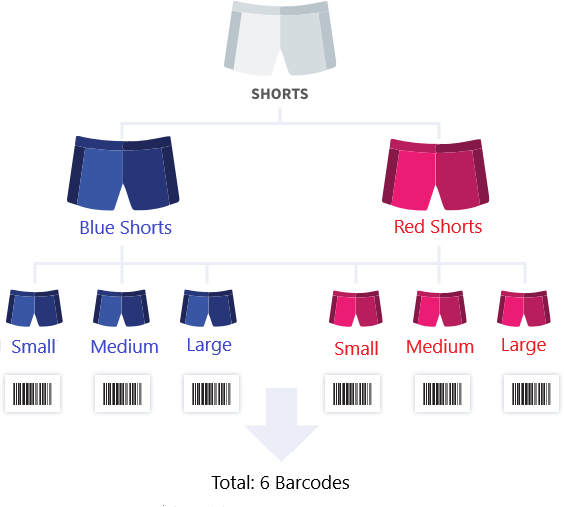
Advantages of Product Barcodes
One significant advantage of using product barcodes is the ability to monitor inventory levels in real-time. By scanning barcodes throughout various supply chain phases, businesses can effortlessly keep track of stock levels and promptly determine when to reorder items. This helps avert stock shortages and surplus stock situations, ultimately saving time and money.
Furthermore, barcodes offer invaluable data insights that can be leveraged to refine inventory management tactics and boost supply chain efficiency. Beyond inventory control, product barcodes are crucial in guaranteeing accurate pricing and streamlined checkout experiences. By scanning barcodes at the point of sale, retailers can swiftly access product details, including price, description, and stock status.
Steps for Effective Barcode Allocation and Management
Efficiently allocating and managing product barcodes is vital for businesses seeking to harness the advantages of barcode technology.
1. Initially, obtain a unique barcode number for each product (including different sizes, colours, and flavours) from a reliable barcode supplier. India Barcodes is a trusted source offering affordable barcode solutions for businesses of all sizes. By visiting their website at https://indiabarcodes.com/, businesses can purchase EAN-13 or UPC barcode numbers and start assigning them to products. The barcodes will be emailed to you within minutes.
2. Next, allocate each barcode number to a specific product (and variation). Maintaining a record of each barcode number assigned to products is essential for effective inventory management and tracking.
3. Then, incorporate the barcode(s) into the product packaging or label design, ensuring it's positioned in a clear, flat area. It's crucial to print the barcode clearly and accurately to avoid scanning issues.
4. Finally, distribute your products to retailers. Retailers will input the barcode numbers and product details into their systems. Subsequently, when they scan the barcode, the correct product information and price will be displayed. Retailers can update the data associated with each barcode number as necessary (e.g., to adjust prices or apply temporary discounts).
By adhering to these steps and adopting best practices for barcode allocation and management, businesses can streamline their processes, enhance efficiency, and boost overall productivity. To discover more about barcode solutions for your business in India, visit India Barcodes. Their affordable barcode services and expert advice can elevate your business operations.