
Avoiding Barcode Blunders: Essential Tips
Barcode slip-ups can cause numerous headaches such as lost profits, incorrect inventory tracking, and dissatisfied customers. Keeping these errors at bay is vital for businesses to run smoothly. This piece delves into the significance of preventing EAN-13 and UPC barcode errors and highlights some prevalent pitfalls to sidestep.
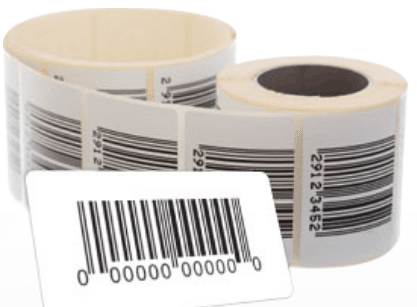
Why Barcode Accuracy Matters
Ensuring barcode precision is key to maintaining the efficacy of supply chains and inventory systems. Missteps in barcode accuracy can lead to mislabelled items, shipment holdups, and wrong pricing. These errors can rack up costs and lower customer happiness. By dodging barcode blunders, businesses can streamline their workflow and trim down expensive mistakes. Additionally, exact barcodes are vital for complying with regulations. In sectors like healthcare and pharmaceuticals, barcode inaccuracies can have severe implications like medication errors and patient safety issues. Following best practices for barcode accuracy helps firms meet industry standards and steer clear of potential legal issues. Avoiding barcode mistakes also boosts overall efficiency and employee morale. When workers spend less time fixing errors, they can concentrate on tasks that add more value to the business. Investing in staff training and quality checks empowers employees to produce precise barcodes, contributing to smoother operations.
Common Pitfalls and Best Practices
One frequent error is using substandard printing or scanning devices. Poorly printed barcodes can be tough to read, leading to scanning problems and data inaccuracies. To dodge this, businesses should opt for high-quality barcode printers and scanners that create clear and accurate codes. Regular equipment upkeep and calibration are crucial for steady performance.
Another typical mistake is not validating barcode data before applying it to products or packaging. Without proper checks, businesses risk printing incorrect or duplicate barcodes, causing confusion later on. Implementing validation steps during the barcode creation process helps catch errors early. Routine audits and quality control are also necessary to ensure data integrity.
Insufficient employee training can also lead to barcode errors. Without understanding the best practices and standards for barcode creation and scanning, staff may inadvertently introduce mistakes. Offering comprehensive training and resources can improve accuracy and reduce errors. Regular refresher courses and ongoing support help reinforce best practices. Avoiding barcode errors is critical for businesses to maintain operational efficiency, accuracy, and compliance.
By grasping the importance of accurate barcodes and applying best practices, businesses can enhance productivity, lower costs, and boost customer satisfaction. By investing in top-notch equipment, validation processes, and employee training, businesses can mitigate the risk of barcode errors and ensure smooth operations throughout the supply chain.